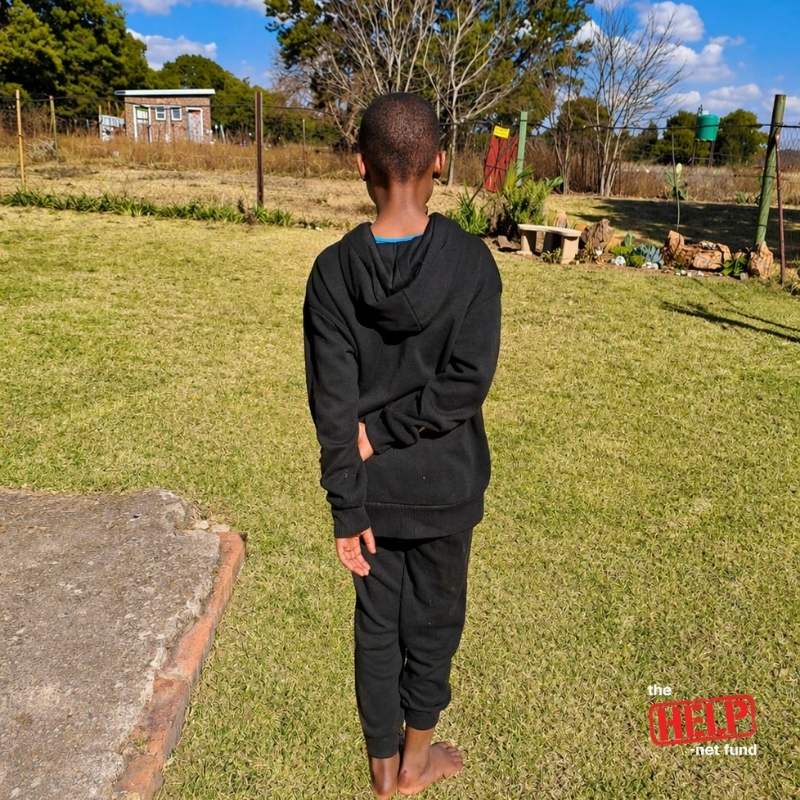
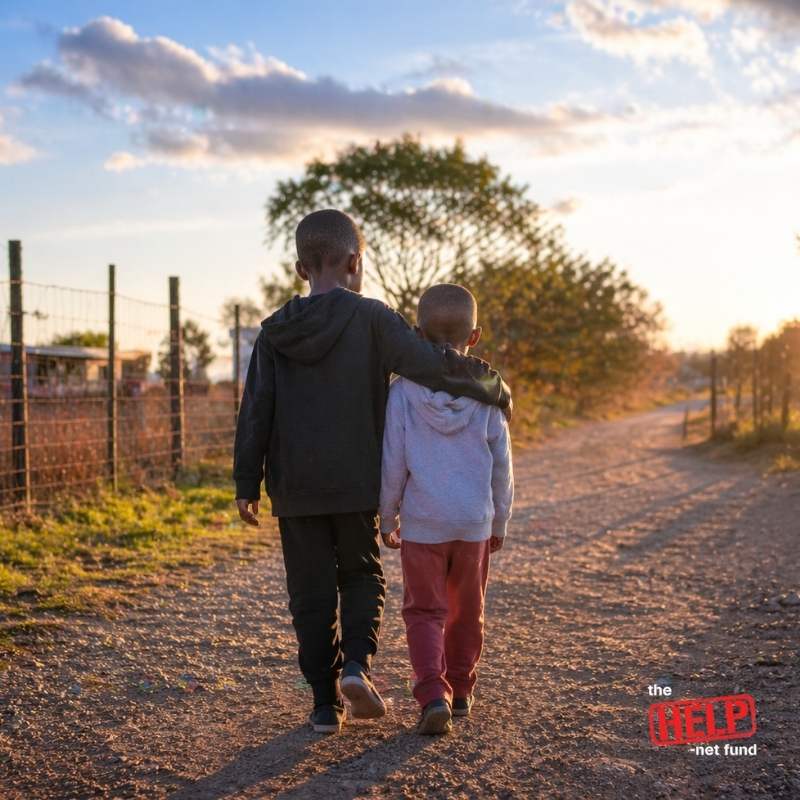
Strengthening places of safety for vulnerable children
Safety Stability Restoration
Since 2000 · SafeHouse Places of Safety

Every child deserves
a safe place to heal

SafeHouse supports structured, stable places of safety for children who have experienced abuse, neglect, or abandonment — helping create environments where care, routine, and restoration can take root.

Contact
How Help-Net Works

More than placement.
A structured path toward safety, stability, and healing.

When children are removed from unsafe environments, they need more than shelter. Help-Net supports places of safety that provide structure, care, and ongoing support during a deeply vulnerable time — while also helping communities become equipped to care for children themselves.

01

Referral & Placement

Children are removed from harmful environments and placed in a place of safety while decisions are made about their future care.

02

SafeHouse Environment

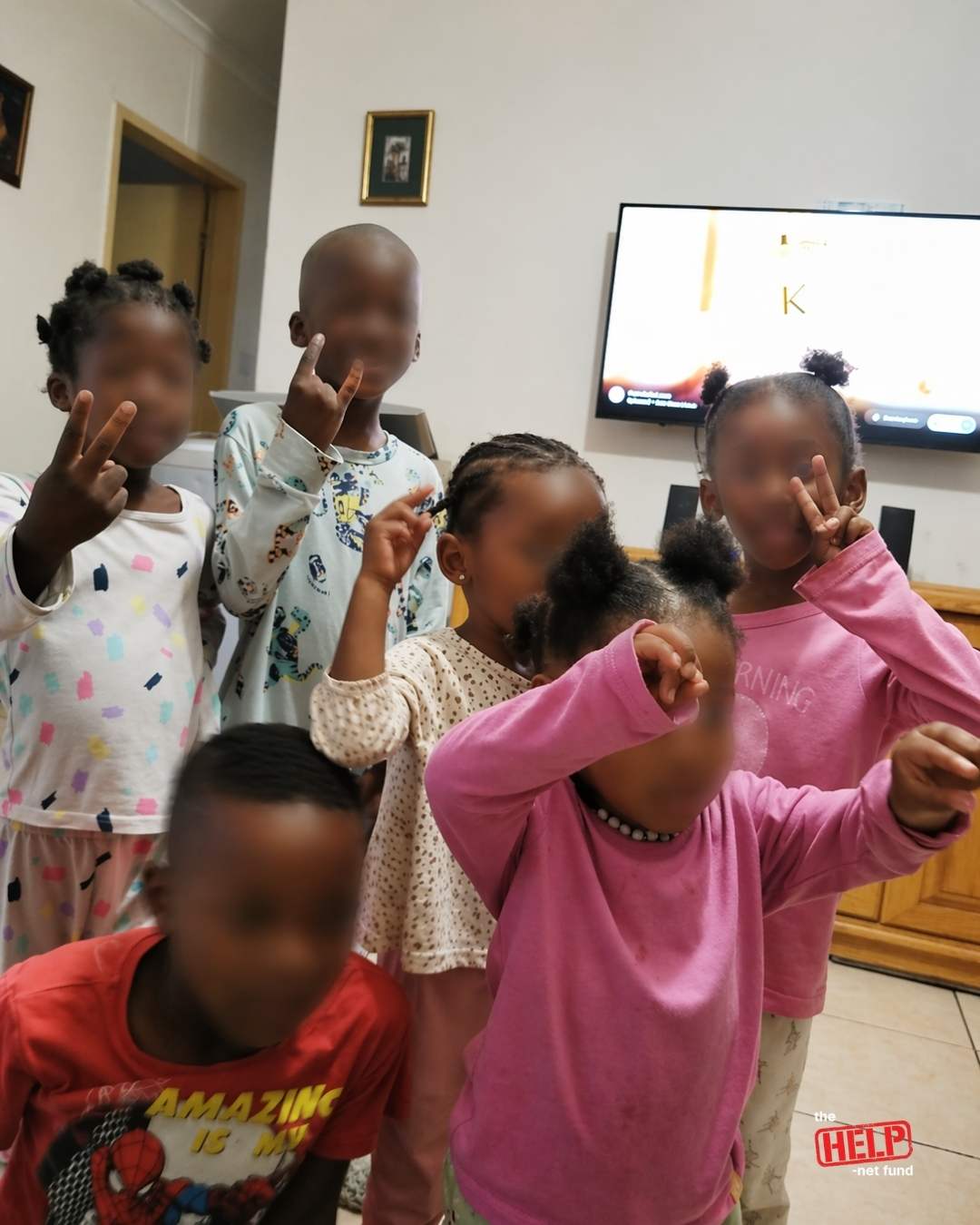
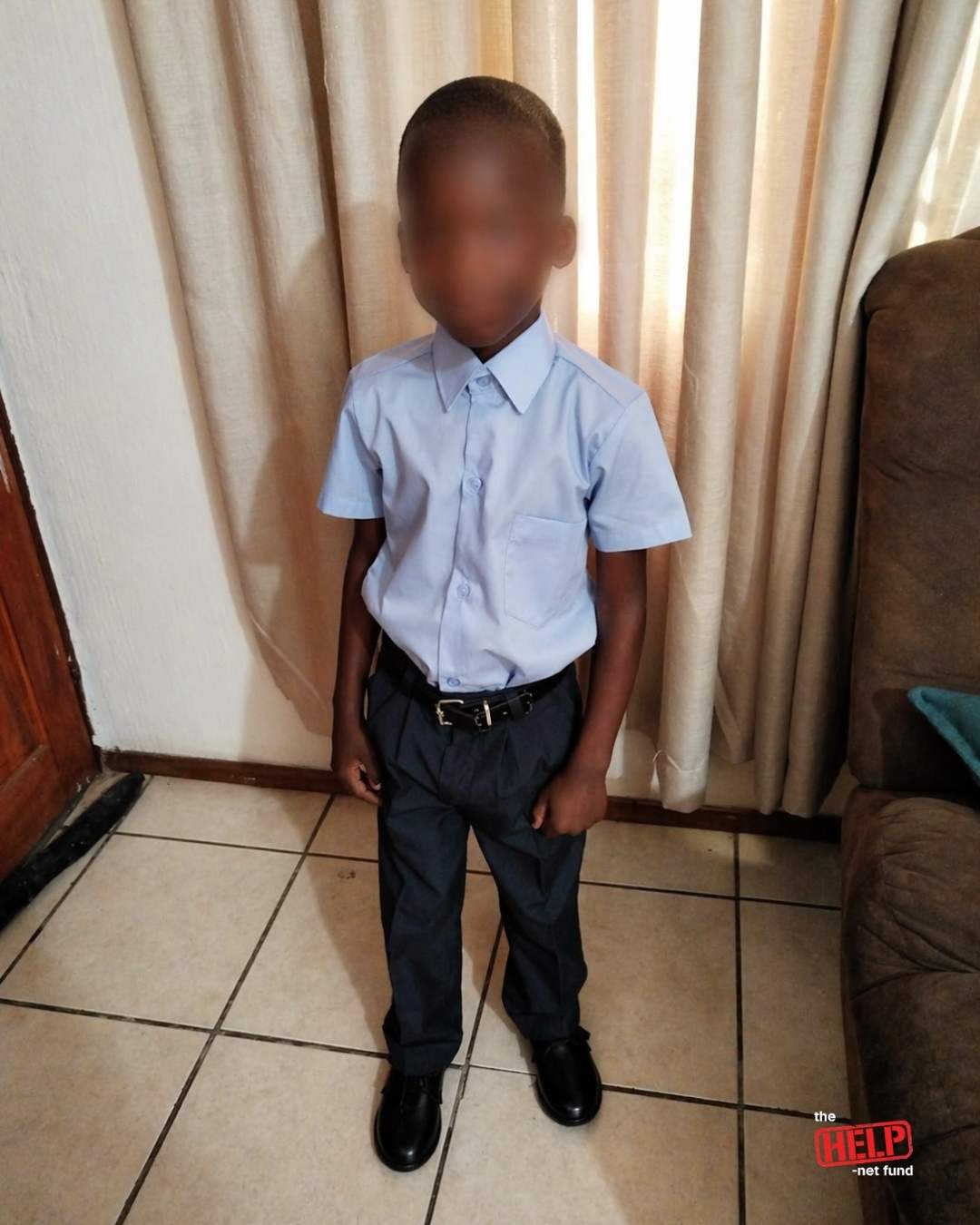
Daily care includes food, clothing, schooling support, and structured routines that help restore stability.

03

Healing & Development

Emotional, social, and practical support helps children rebuild trust, regain stability, and continue growing through each stage of life.

04

Community Ownership

The goal is not only to create places of safety, but to empower local communities to carry the work forward. The Fochville home, established in 2008, still exists today and is run by the local community.

Why this matters

Removing a child from harm is only the beginning. True restoration requires stability, consistent care, long-term support, and communities willing to protect and nurture vulnerable children.

Did You Know?
883
children cared for through Help-Net SafeHouse homes
11
house locations established to provide places of safety
2008
Fochville home established and still community-run today
26
years old today — one of the first 12 children was only 6 months old when welcomed into care
Our Impact

Safe places that become part of a child’s life story

Help-Net’s work is not only measured in houses opened, but in lives protected, children restored, and stories that continue long after a child leaves a place of safety.

Through 11 house locations, Help-Net SafeHouse homes have helped care for 883 children — many of whom are now adults over the age of 18.

One of the first 12 children welcomed into care was only 6 months old at the time. Today, she is 26. That is the deeper impact of a safe, structured environment: it protects a child in crisis and gives restoration time to take root.

How SafeHouse Works
Child entering a place of safety
Step 1

Providing a safe place when everything changes

When children are removed from unsafe environments, they need immediate placement in a secure and supportive setting.

SafeHouse helps ensure that transition is handled with dignity, stability, and care from the very first moment.

Contact Help-Net
Structured daily care environment
Step 2

Creating stability through care, routine and belonging

Healing begins with structure — meals, rest, schooling, and consistent daily rhythms.

These patterns help rebuild emotional safety, restore a sense of belonging, and create the foundations children need to keep growing.

See Our Impact
Child receiving emotional support
Step 3

Supporting long-term healing, restoration and growth

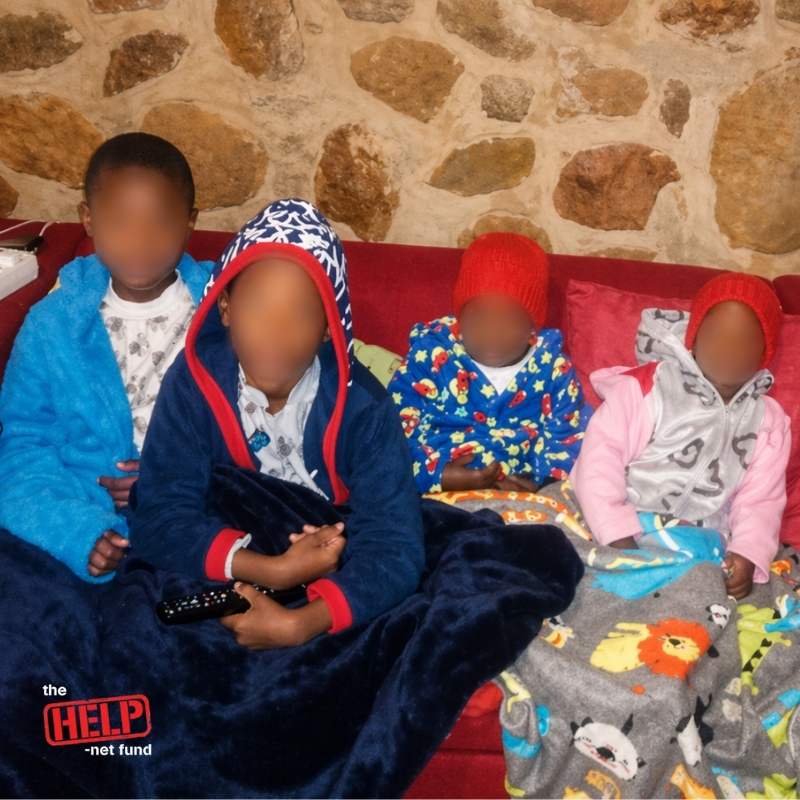
SafeHouse goes beyond emergency placement by supporting emotional, developmental, and relational healing over time.

Ongoing care helps ensure children are not only protected, but supported toward restoration, growth, and a different future.

View a Place of Safety
Places of Safety

Restoring dignity through safe, structured environments

SafeHouse environments provide more than shelter. They create structure, safety, and a foundation where children can begin to heal and rebuild.
Lotus Gardens Place of Safety exterior
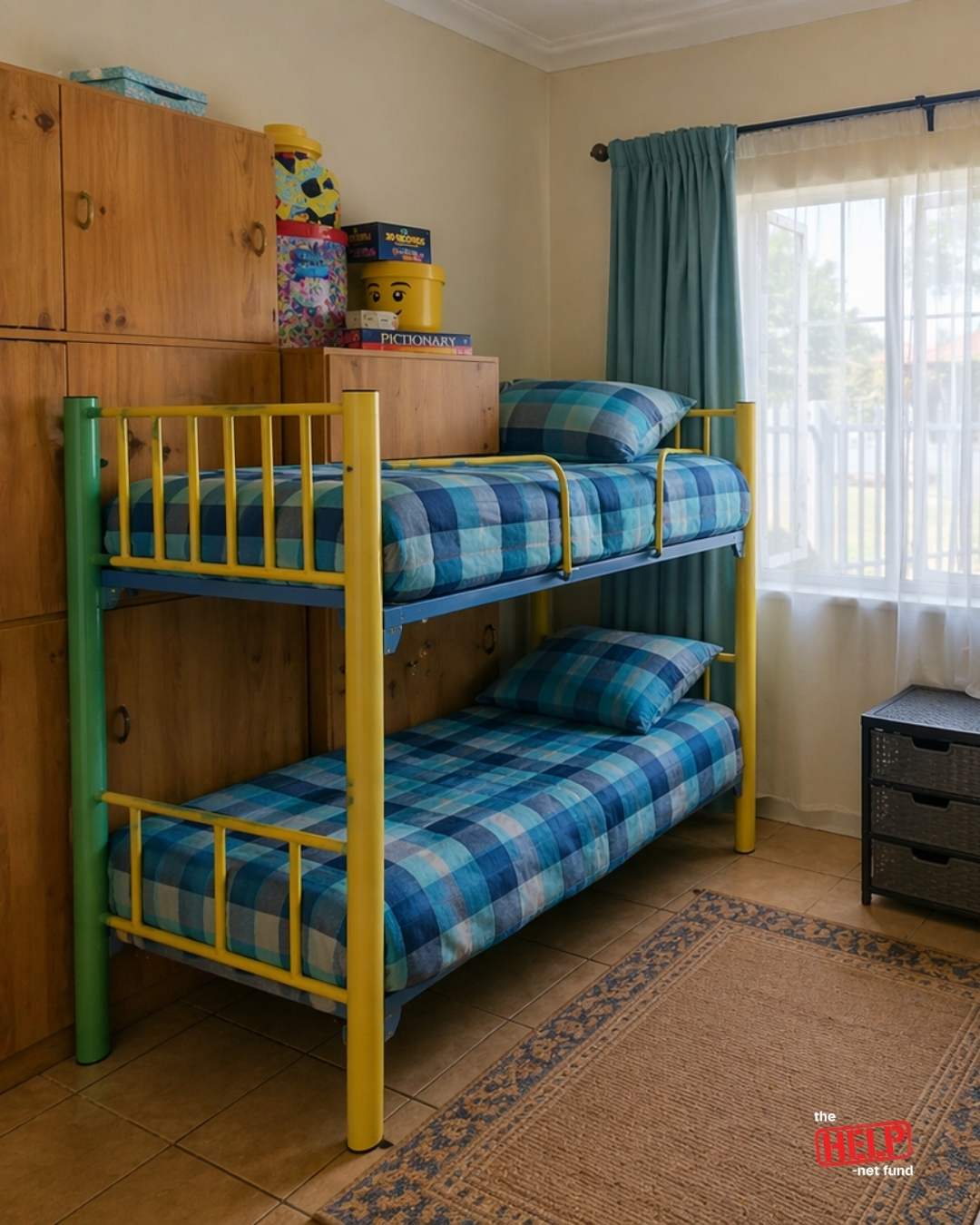
Lotus Gardens SafeHouse bedroom
Help-Net SafeHouse
Lotus Gardens, Pretoria, Gauteng
Help-Net Fund

Each place of safety supported by Help-Net is designed to create a stable, secure environment where children can regain a sense of normality.

Through routine, emotional support, and consistent care, these spaces become environments where recovery is not just possible — it is supported.

Contact Help-Net